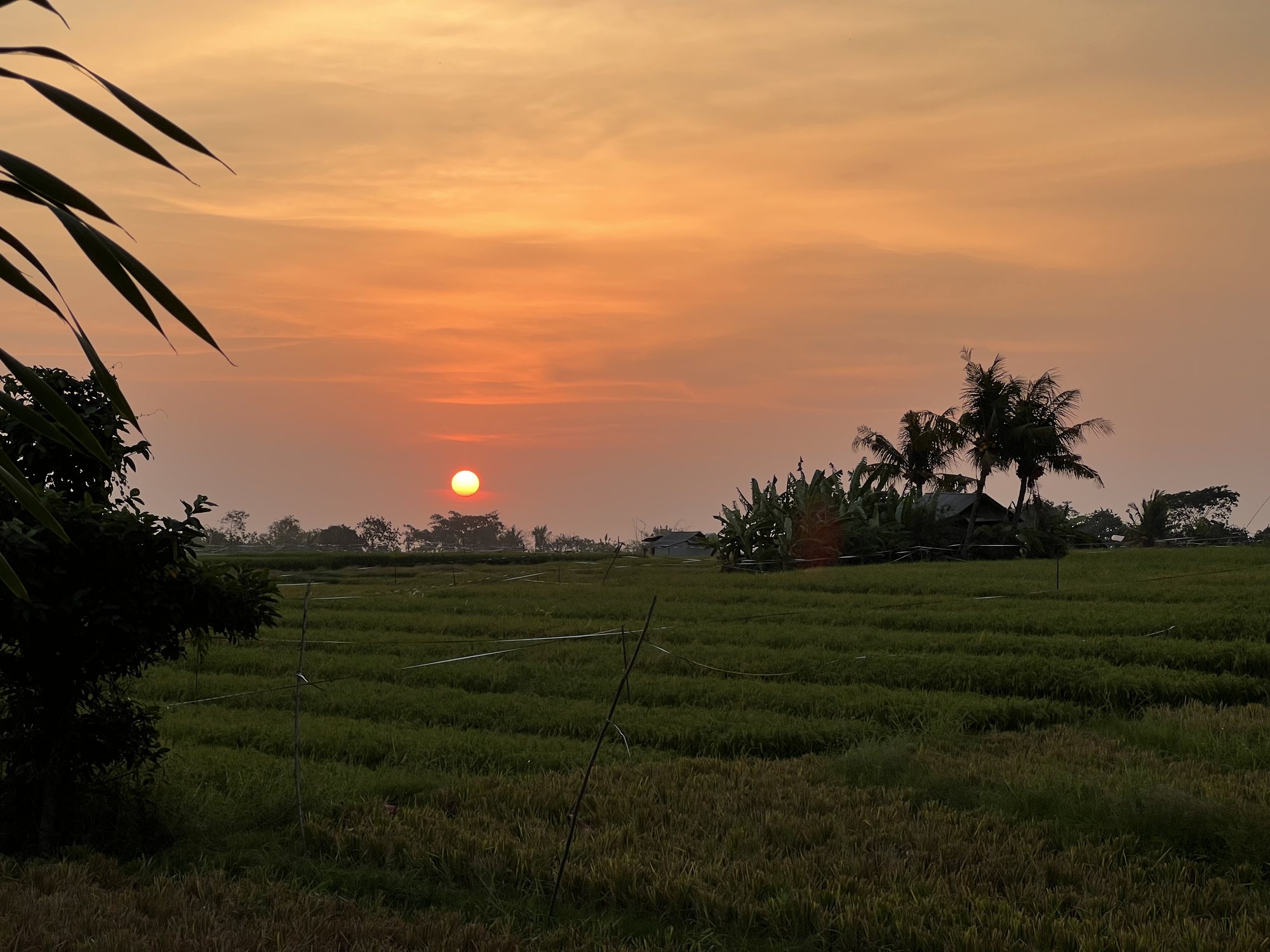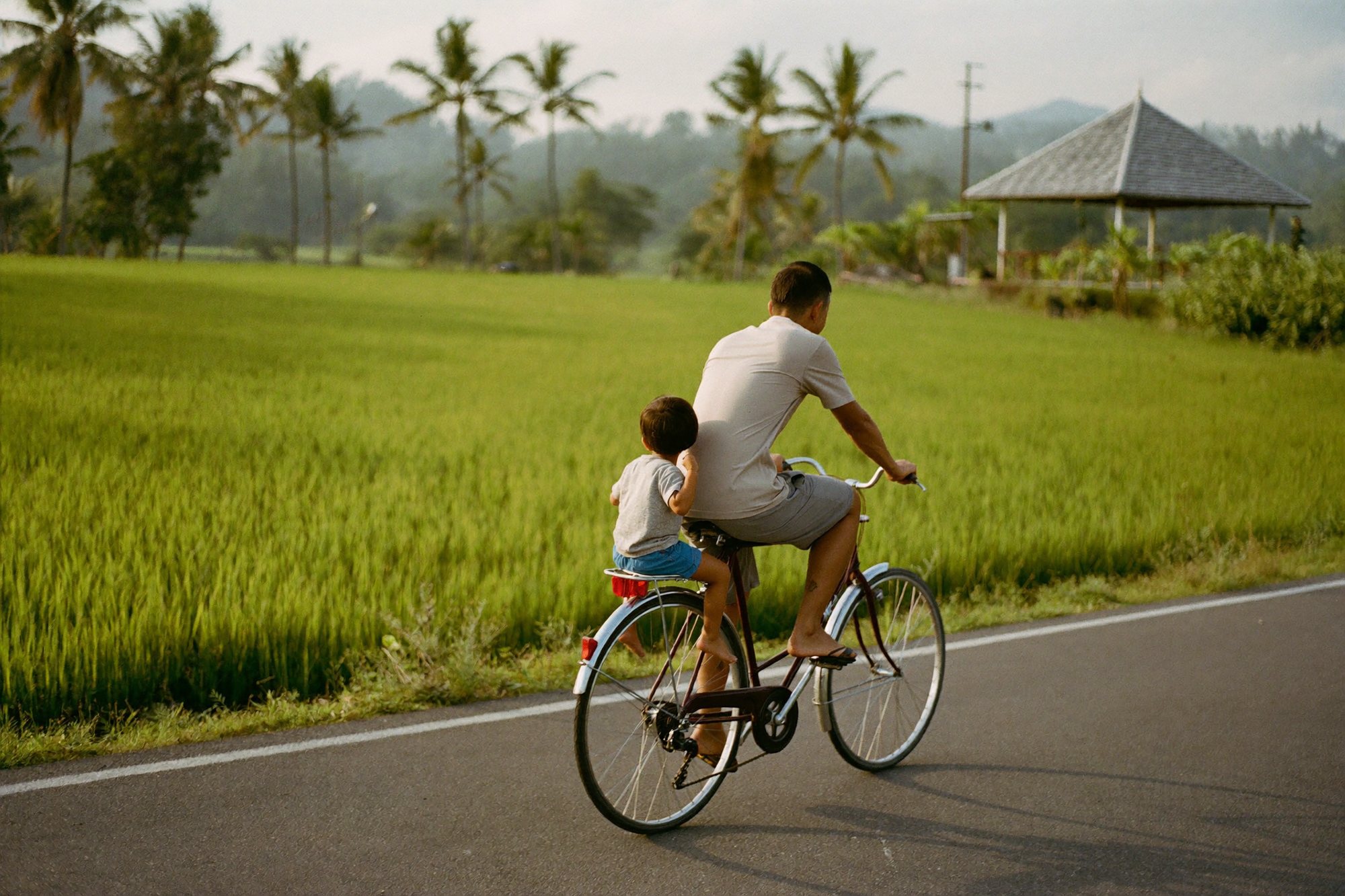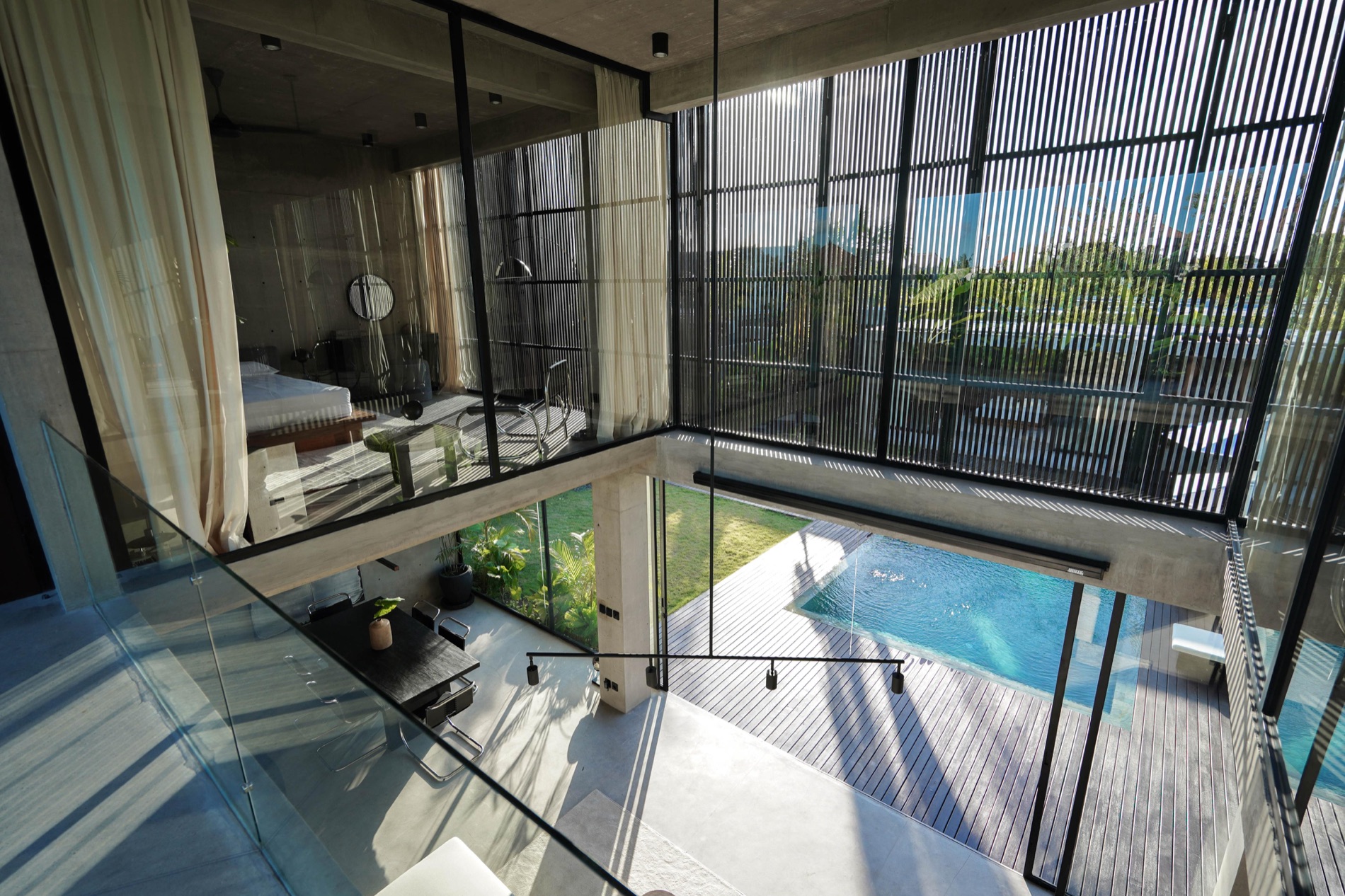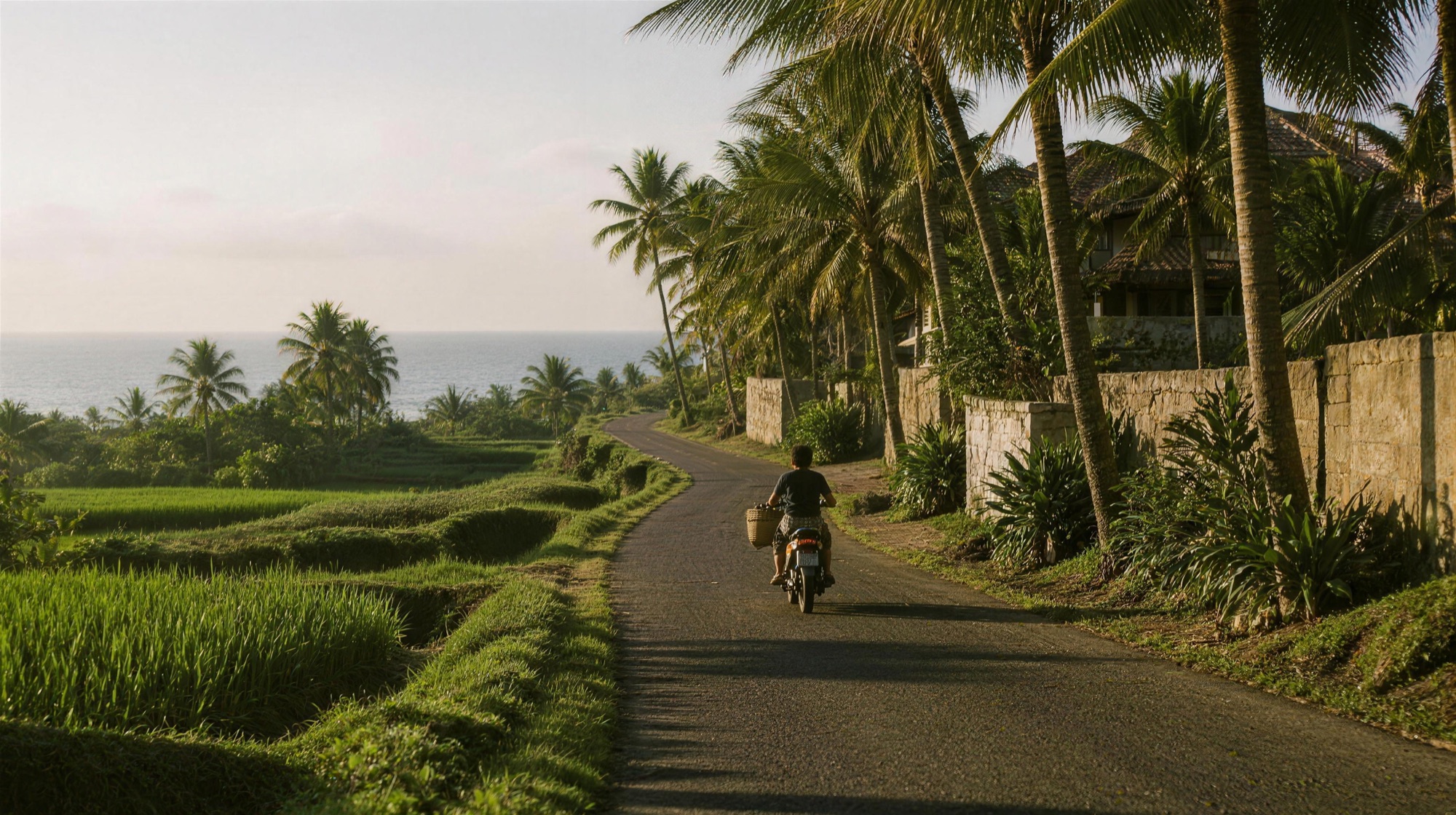
For a long stay, Seseh gives you a calmer, more spacious base that generally costs less, about fifteen minutes from Canggu's cafes, gyms and international schools. Canggu puts everything on your doorstep, but with the traffic, density and higher rents that come with it. If you want to live in Bali rather than holiday in it, the quieter side usually wins; if walking to a beach club matters most, Canggu does. The good news is that choosing Seseh does not cut you off from Canggu, it just moves your front door a few minutes back from the noise.
The honest trade-off
Canggu is where the island's cafe, gym and coworking scene is densest, and that convenience is real. It also now comes with heavy traffic on the main roads, construction, and rents that sit at the top of the west coast. Seseh trades some of that immediacy for black-sand beaches, rice fields, village quiet and more space per rupiah.
Neither is right or wrong; they suit different lives. The question is whether you want the buzz on your doorstep or a calm base within easy reach of it.
You do not give up Canggu by leaving it
From Core Villas at Seseh, Munggu, the practical distances are about seven minutes to Pererenan, roughly fifteen to Canggu, a few minutes to Seseh Beach, and around an hour and a half to Ngurah Rai airport. The international schools of the Canggu area sit within a normal school run.
So a Seseh base still lets you use Canggu daily for the gym, a meeting or dinner, then come home to quiet. That is the whole appeal of the quieter coast: proximity without immersion.
Daily life and getting around
The main day-to-day difference is transport. Canggu is dense enough to walk or cycle parts of; Seseh is more spread out, so most residents keep a scooter or a car and use it daily. Nothing you need is far, but you drive to it rather than stroll to it, and ride-hailing pickups can be limited right at the Seseh beachfront, so a scooter is the norm for a long stay here.
You are not cut off, though. The cafes, gyms, coworking spaces, wellness studios, supermarkets and restaurants of Pererenan and Canggu are a short ride away, and Pererenan in particular has filled in with places to work and eat within a few minutes of Seseh. You get the quiet at home and the amenities a scooter ride away, which is the trade most long-stay residents are happy to make.
On seasonality, the living calendar is the island's: a drier stretch roughly from May to September and a wetter, greener one around the turn of the year. For a long stay it matters less than for a holiday, but it shapes when the beach and surf days are best.
Cost and space
On asking prices the two are closer than most people expect. Across yearly listings on Bali's long-term rental portals in August 2026, a three-bedroom typically asked around Rp 33 to 56 million per month in central Canggu and Rp 34 to 68 million on the Seseh coast, where the beachside stock tops the range. What changes is what the money buys: a quieter lane, a black-sand beach and rice fields instead of the cafe strip, which is why long-stay families and remote workers keep choosing the quieter side.
For the full picture of what a long-term rental in the area costs and what sits on top of the rent, see our guide to the cost of renting a villa in Seseh and Munggu.
Which suits you
Choose Canggu if you want nightlife, walkability and the densest cafe and coworking scene, and you do not mind traffic, noise and a higher rent for it, especially for a shorter stay.
Choose Seseh if you want a calmer, more spacious long-term home with beaches and rice fields, room for a family, and Canggu still close enough to use whenever you want. Core Villas is built for exactly that kind of long stay, opening as residences from Q3 2027.