New three and four bedroom pool villas for sale in Munggu and Seseh start from around Rp 6.45 billion (roughly US$360,000 / A$501,000), and this is where Bali's new-build attention moved once Canggu filled and priced up. What you are buying here is the quieter coast one bay north of Pererenan, before the beach road becomes a wall of concrete. The trade-off is that you are buying early, so who built it and how you legally hold it matter more than the postcode.
Why buyers are looking at Munggu and Seseh
In mid-2025 the national press converged on the area: Kompas described Munggu as a hidden gem investors are hunting, Detik called it Canggu's successor, and Kontan, Antara and Republika reached the same conclusion from their own angles. The draw is geography, roughly fifteen minutes to Canggu, ten to the beach, five to Pererenan, and about an hour and a half to the airport, with rice terraces and black-sand beaches where Canggu has traffic.
Growth is arriving, but so far as a handful of considered projects among the fields rather than a continuous strip. That is the window buyers are trying to catch: the area on the way up, before it is built out.
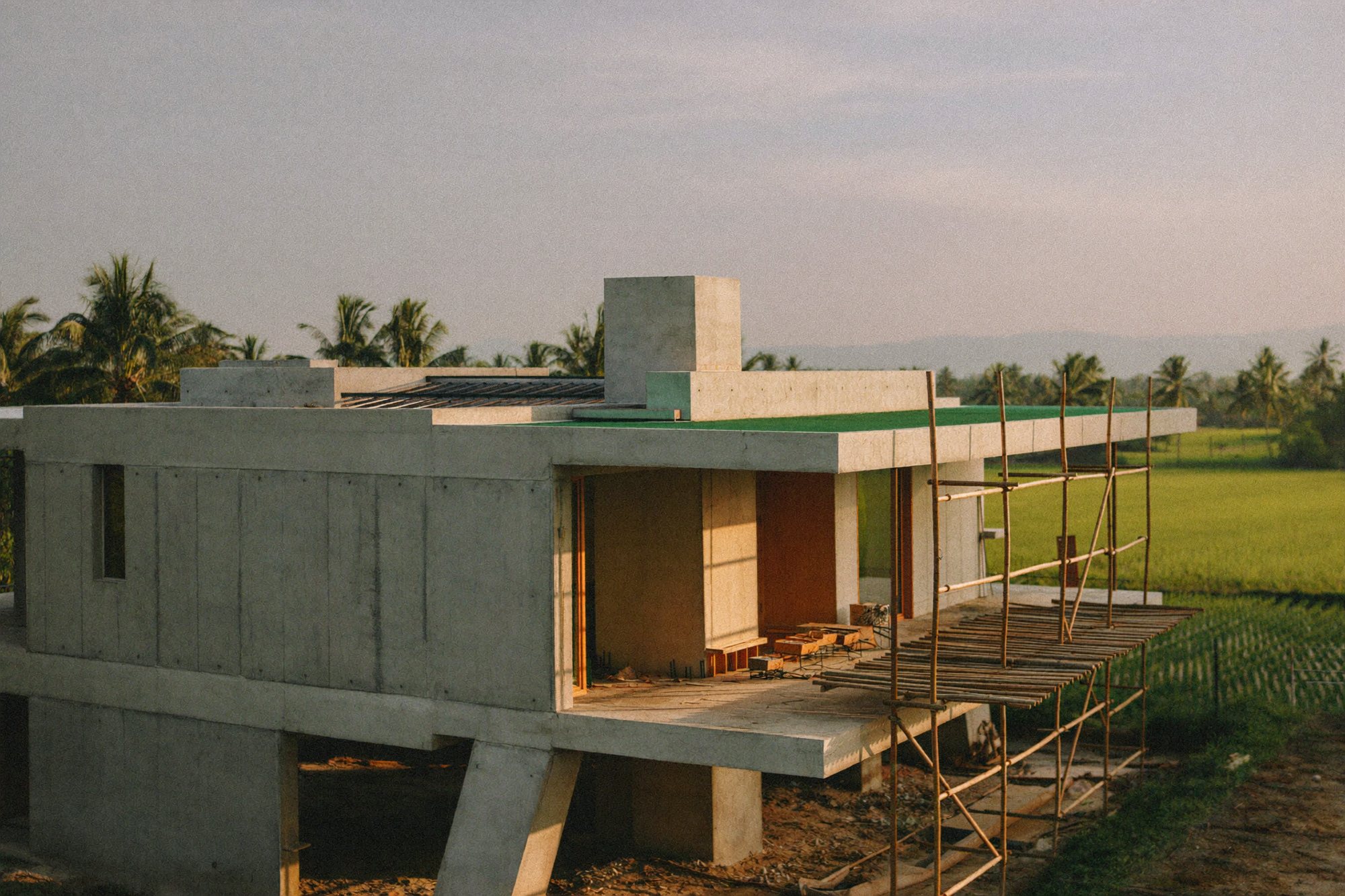
The off-plan villa project in Seseh, Munggu: what you can buy and what it costs
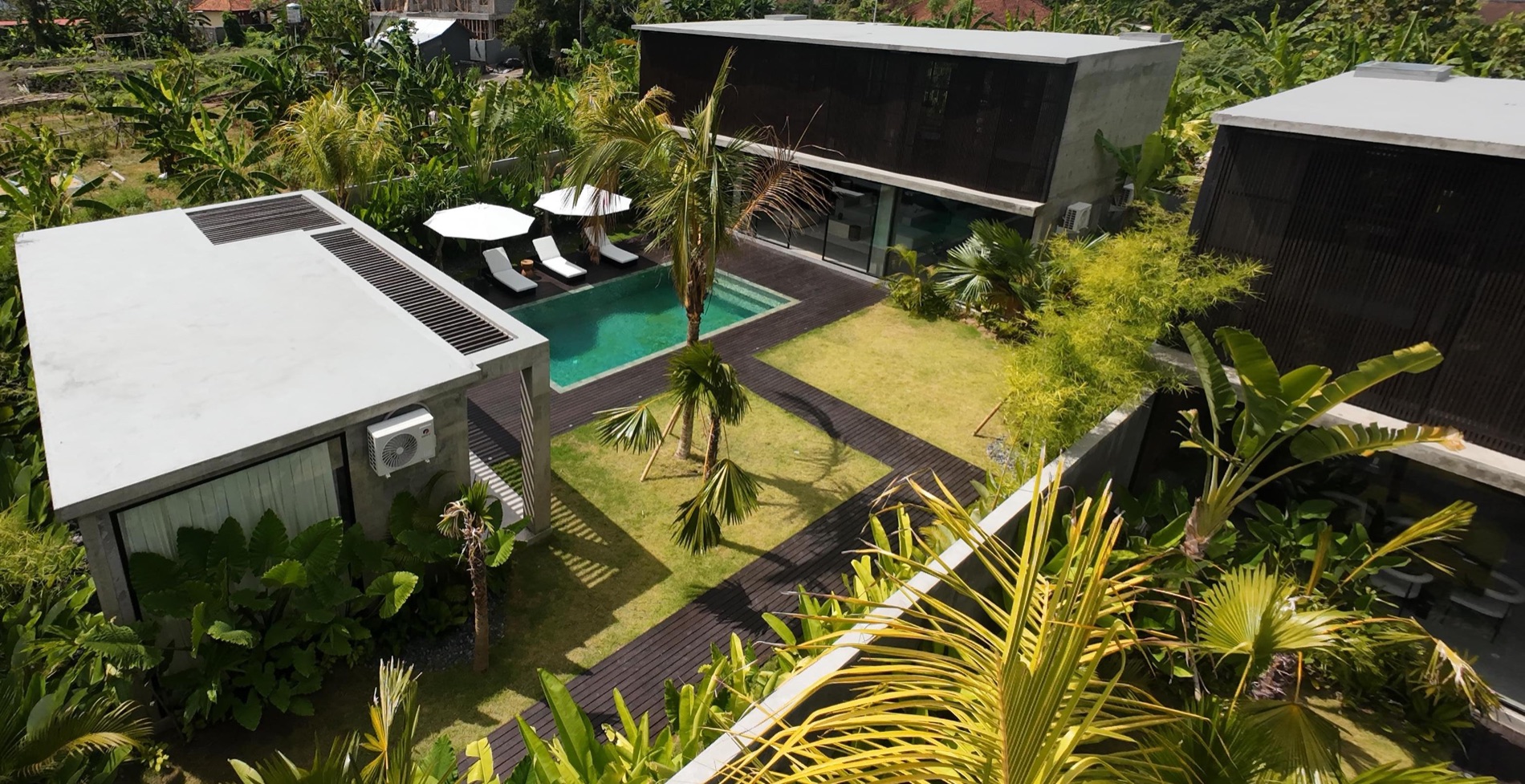
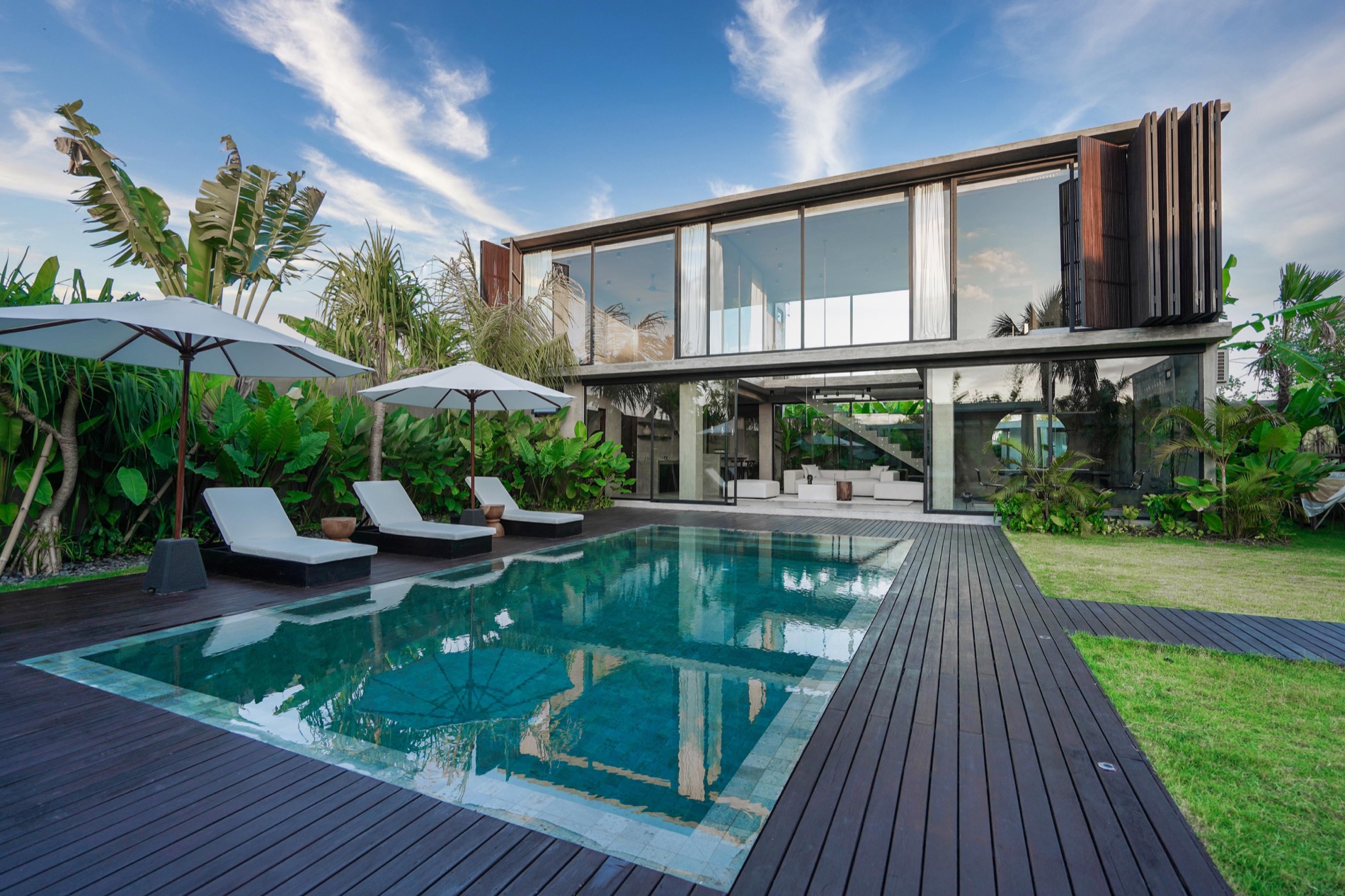
The current supply is mostly new three and four bedroom pool villas, private pools, sold on leasehold. Entry for a new three-bedroom is around Rp 6.45 billion and rises with size, layout and plot. Rupiah is the number you actually pay; dollar and euro figures you see quoted are references that move with the exchange rate, not the price.
There is some finished resale and bare land too, but most of what is genuinely for sale in Munggu and Seseh right now is off-plan or under construction. If a finished, already-rented villa is what you need today, this coast has fewer of them than Canggu does.
How buying here differs from Canggu proper
You pay less for equivalent build quality, and you buy earlier in the area's curve. That means more off-plan, fewer turnkey resales, and a bet on the neighbourhood maturing the way the press expects it to. It rewards patience and punishes anyone who needs an instant, hands-off, income-producing asset.
Area due diligence matters more here than in a built-out neighbourhood. Check the access roads, the subak irrigation channels, and what the empty plot next door is zoned to become, so the view and the quiet you are paying for are actually durable.
Buying from Singapore and the region
Singapore is the strongest Asian market looking at Bali property, and the appeal is practical: a direct flight of under three hours, the same time zone, and a west-coast villa that costs a fraction of comparable space in Singapore. For a Singapore-based buyer, a leasehold villa in Seseh or Munggu is within reach in a way a freehold home at home rarely is.
The mechanics are the same for a Singaporean as for any foreign buyer: you hold the villa on leasehold (Hak Sewa) or Hak Pakai, not freehold, through a bilingual notarised contract, with independent legal advice before any funds move. Villas are sold and paid in Indonesian rupiah, and Singapore-dollar figures are a reference that moves with the exchange rate, not the price. The nearer market makes viewing trips and regular use easy, which is why Singapore buyers tend to treat a Bali villa as a genuine second base rather than a distant holding.
What to check before you buy
Confirm the legal route: foreigners buy on leasehold or Hak Pakai, never freehold, and never through a nominee shortcut (see our guide on whether foreigners can buy a villa in Bali). Confirm the permits, PBG then SLF (see our off-plan guide). Look at the developer's completed work, and get a bilingual, notarised contract with independent legal advice before any money moves.
Core Villas is one of the projects on this coast: seventeen private pool villas at Seseh, Munggu, on a 25-year leasehold with a pre-agreed extension to 2084, from Rp 6.45 billion (about US$360,000 / A$501,000), with the last villas of Phase 1 selling now. Availability and per-villa pricing sit behind the villa-access request.