Buying off-plan means paying for a villa while it is still being built, in instalments, in exchange for a lower price than a finished home. In Bali the difference between a good off-plan purchase and a bad one is almost never the design. It is the structure: who you are actually buying from, whether your payments are tied to construction rather than the calendar, and whether the permits exist. Get those right and off-plan is the best value on the island. Get them wrong and you are an unsecured creditor of a building site.
What off-plan actually means
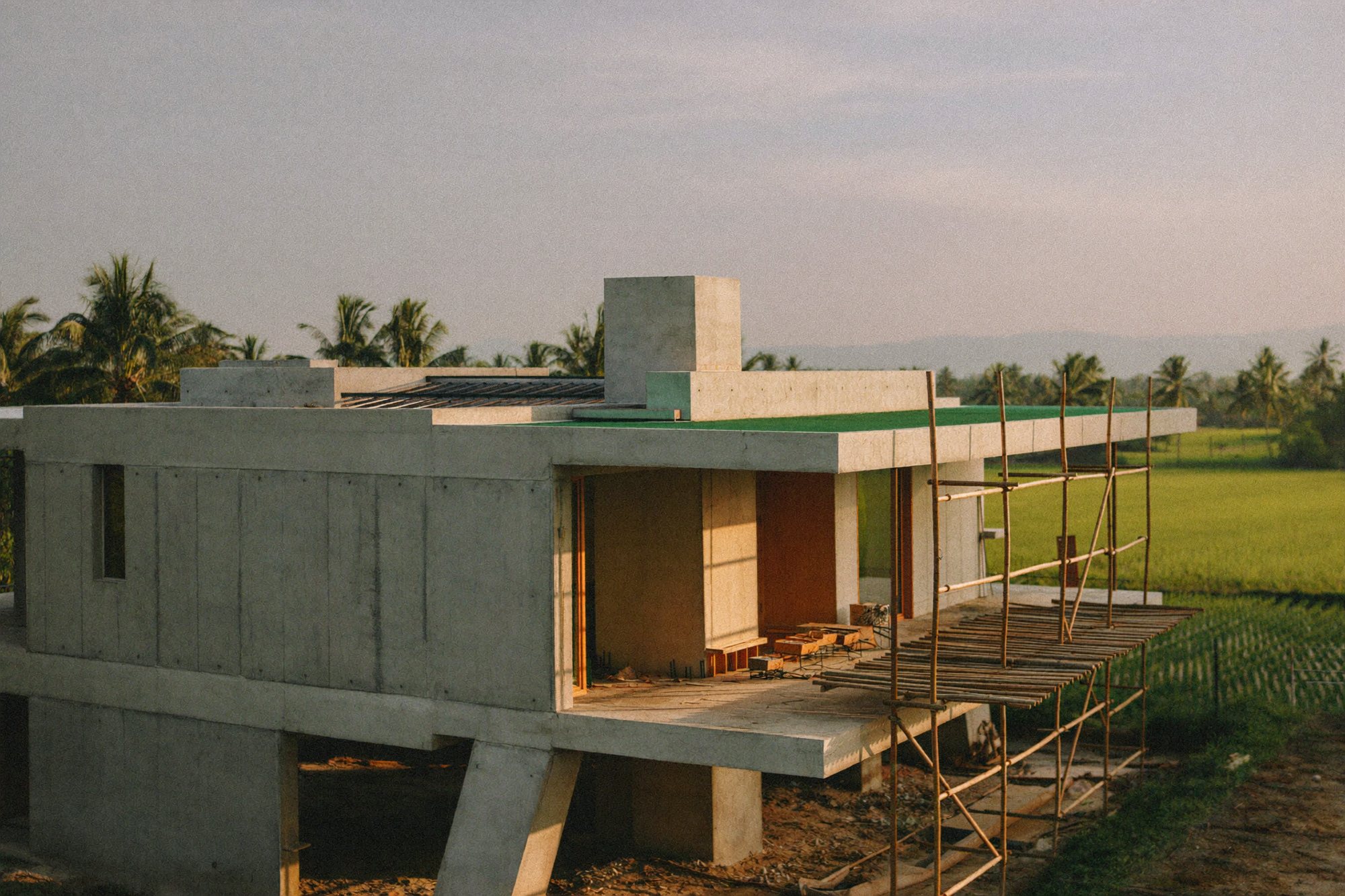
You commit to a villa before it is finished, often before the ground is broken, and pay across the build rather than in one lump at the end. In return you pay less than a completed villa costs, you get first choice of unit and layout, and you carry some of the risk that a finished home would not have. The whole question of off-plan is whether that risk is properly managed, because the price advantage only survives if the build finishes and finishes clean.
In the Munggu and Seseh area most current supply is off-plan or under construction rather than finished resale, so for many buyers this is not really a choice. It is the market. That makes getting the structure right the actual skill, not a nice-to-have.
Tie your payments to construction, not to dates
This is the single most important term in the contract. Payments should be released against construction milestones, foundation, structure, roof, finishes, handover, not against fixed calendar dates. If the build slips, and Bali builds slip, milestone-tied payments keep your money in step with work actually done rather than paying for a stage that has not happened.
At Core Villas payments are staged on construction milestones rather than fixed dates for exactly this reason, and the final instalment is tied to the SLF, the certificate that the finished building is fit to occupy, being handed over. A payment plan that front-loads the money before the concrete is a warning worth walking away from.
The permits that decide whether it is legal
Two documents matter. The PBG is the building permit, the approval to construct what is being built. The SLF, the Sertifikat Laik Fungsi, is issued at completion and certifies the finished building is worthy of occupation. A serious developer holds the PBG and hands you the SLF.
Ask to see the PBG before you commit, and make your final payment conditional on the SLF at the end. These are fair things to ask of any new build, and a professional developer will not be offended by the question.
How to check the developer before you wire anything
Match the land certificate to the party selling to you, and if the land is itself leasehold, confirm the head-lease term, your title cannot outlive it. Look at what the developer has actually completed, not what they have rendered. Get the whole agreement in writing, bilingual and notarised, with the Indonesian version governing. And take independent Indonesian legal advice before money moves, never the seller's own notary alone.
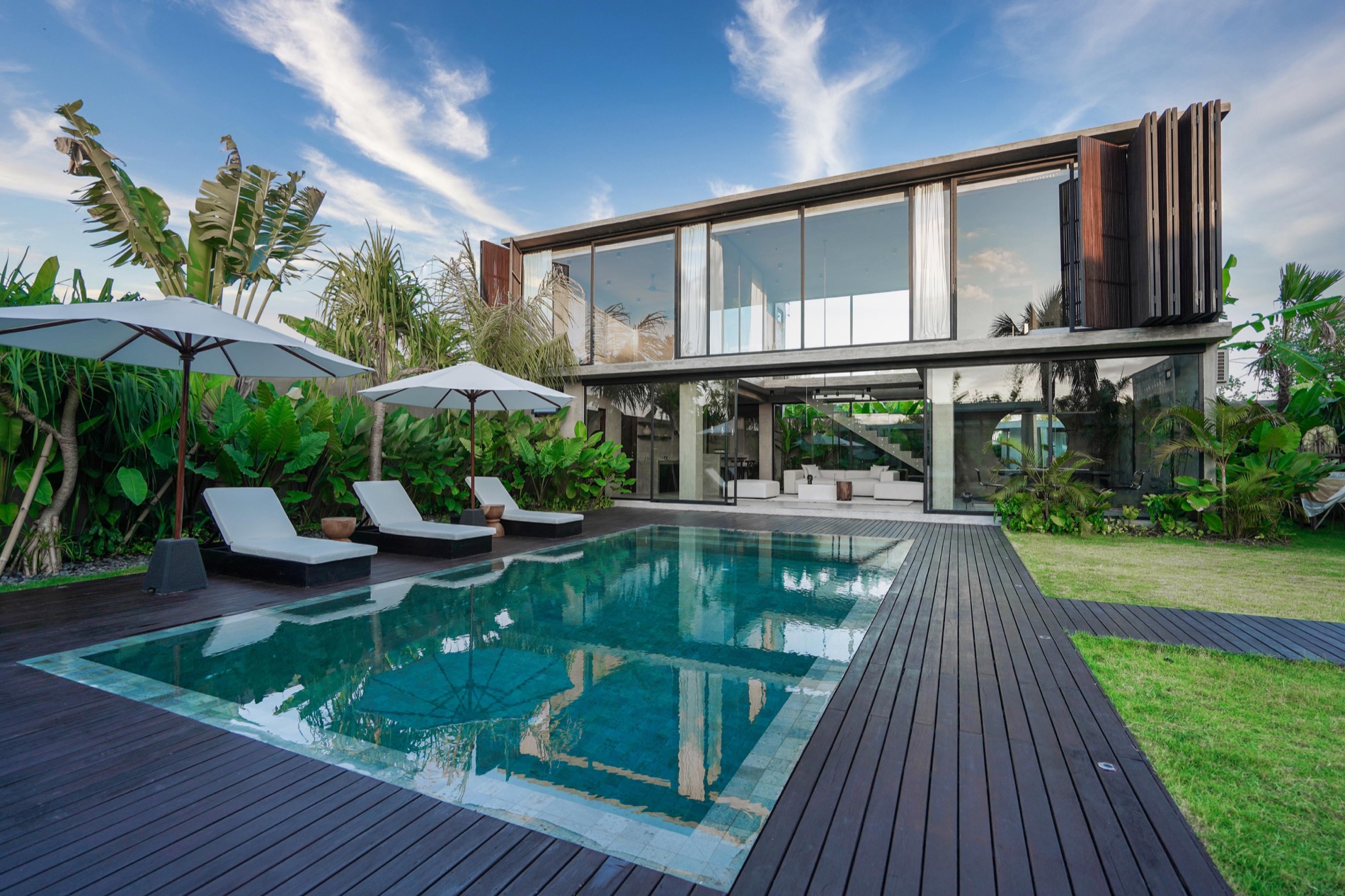
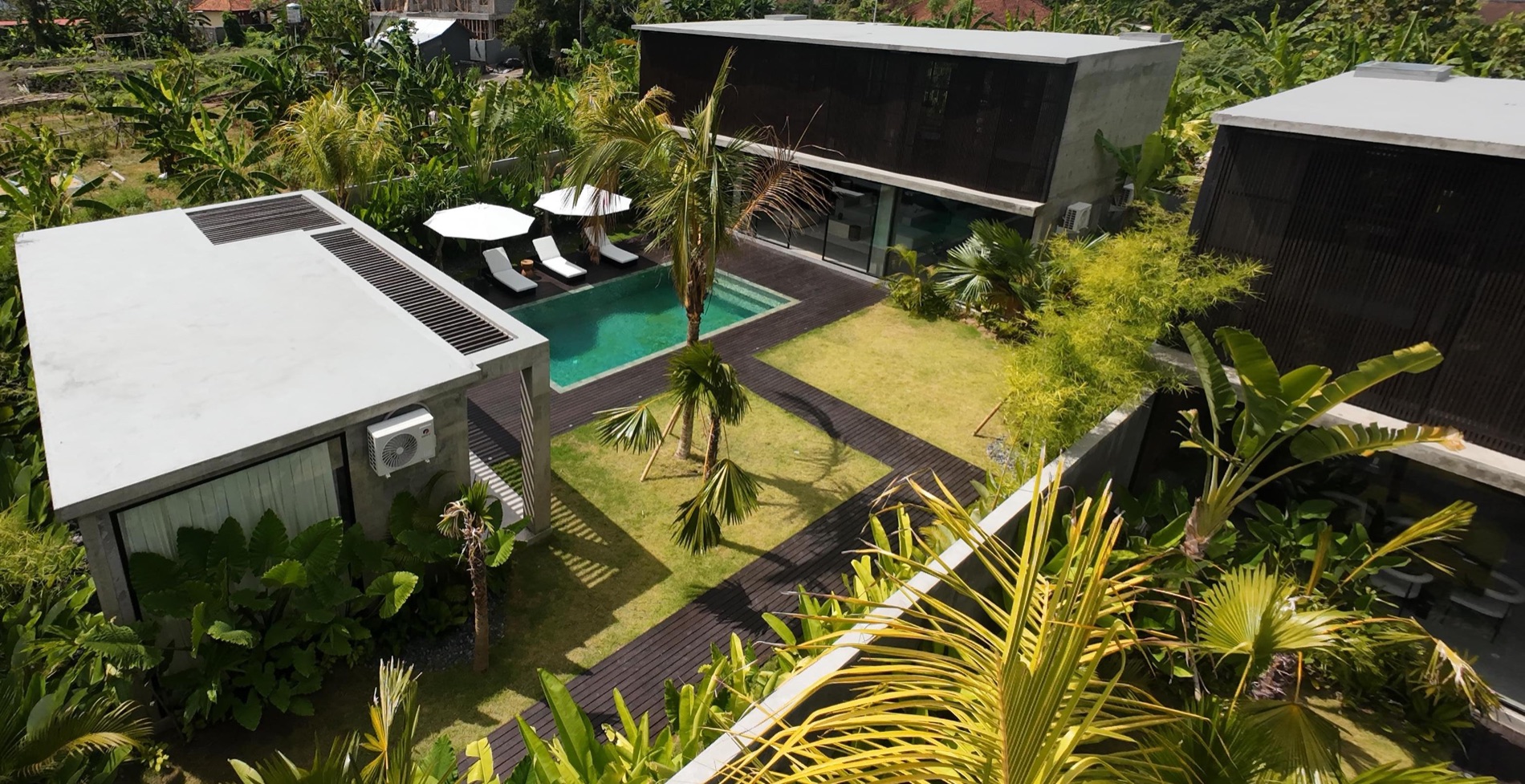
Core Villas is one of the projects buyers weigh here: seventeen private pool villas at Seseh, Munggu, on a 25-year leasehold with a pre-agreed extension to 2084, from Rp 6.45 billion (roughly US$360,000 / A$501,000), sold in rupiah with milestone-staged payments. The per-villa detail and current availability sit behind the villa-access request on the ownership page.