Bali did not close to foreign buyers in 2026, but it tightened the rules around them, and the changes reward doing things properly. The headline shifts: a real crackdown on nominee ownership (foreigners holding freehold through a local name), stricter licensing and enforcement on short-term and nightly letting, and tighter zoning, setback and permit enforcement. None of it stops you owning or renting a villa the right way; all of it makes the shortcuts more dangerous. The safe path in 2026 is the boring one: the correct legal structure, real permits, and independent local advice.
The nominee crackdown
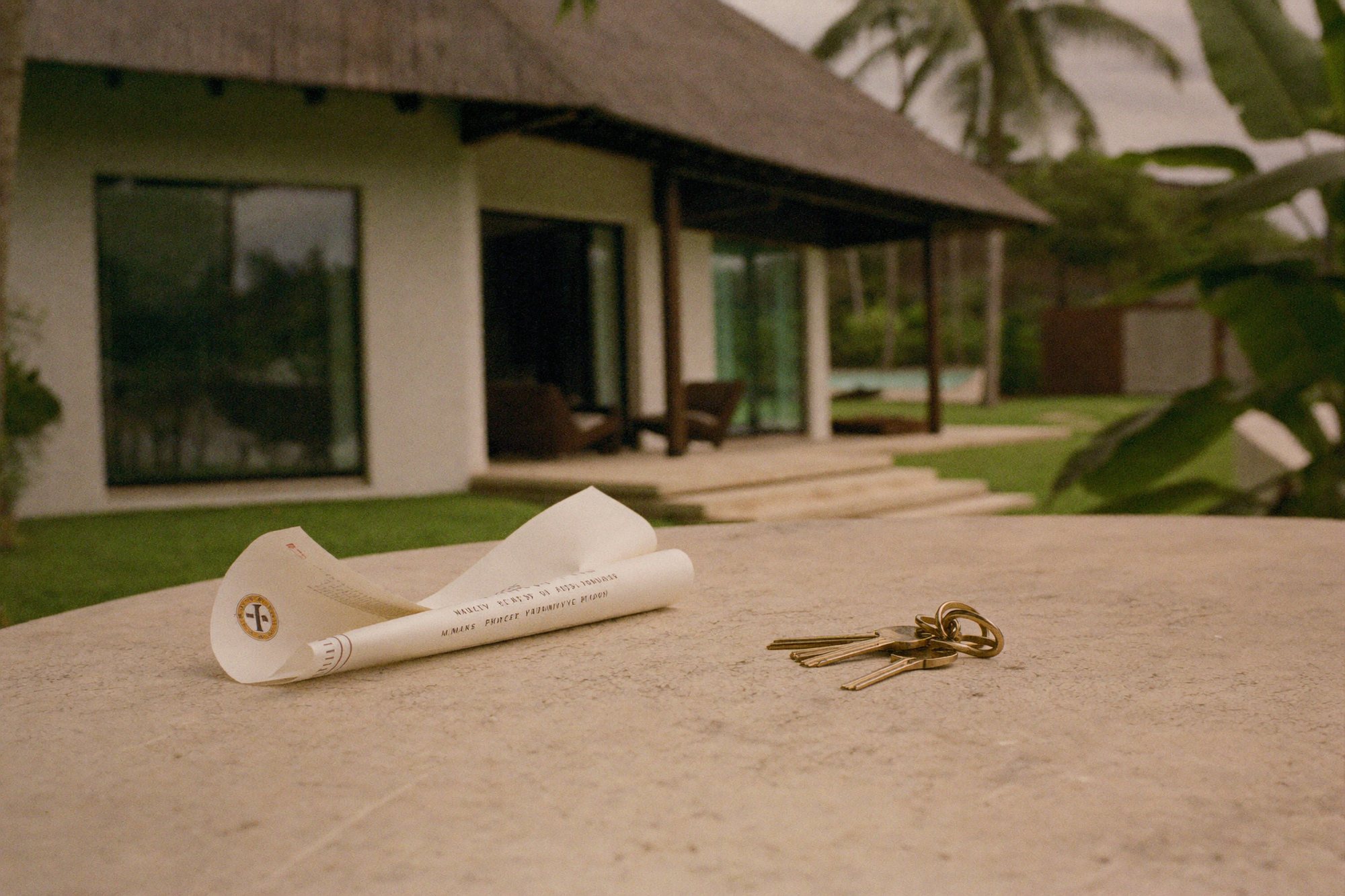
The biggest shift is enforcement against nominee ownership, where a foreigner buys freehold land in an Indonesian person's or company's name while a side agreement says it is really theirs. That arrangement was never recognised by Indonesian law, and in 2026 it is being actively targeted rather than quietly tolerated. The lawful routes are unchanged: foreigners hold villas on leasehold (Hak Sewa) or Hak Pakai, not freehold, and not through a nominee. Our guide on whether foreigners can buy a villa in Bali covers those routes in full.
Short-term letting got harder
Renting a villa out nightly, Airbnb-style, now sits under more scrutiny. Short-term letting requires the proper licensing, and the regulations, including Perda 4/2026, are steadily raising the bar and the enforcement. Villas run as proper long-stay residential homes, leased to residents rather than churned nightly through the booking platforms, are on the compliant side of that shift. For owners and renters alike, the durable model in 2026 is long-stay, not nightly.
Zoning, setbacks and permits, now enforced
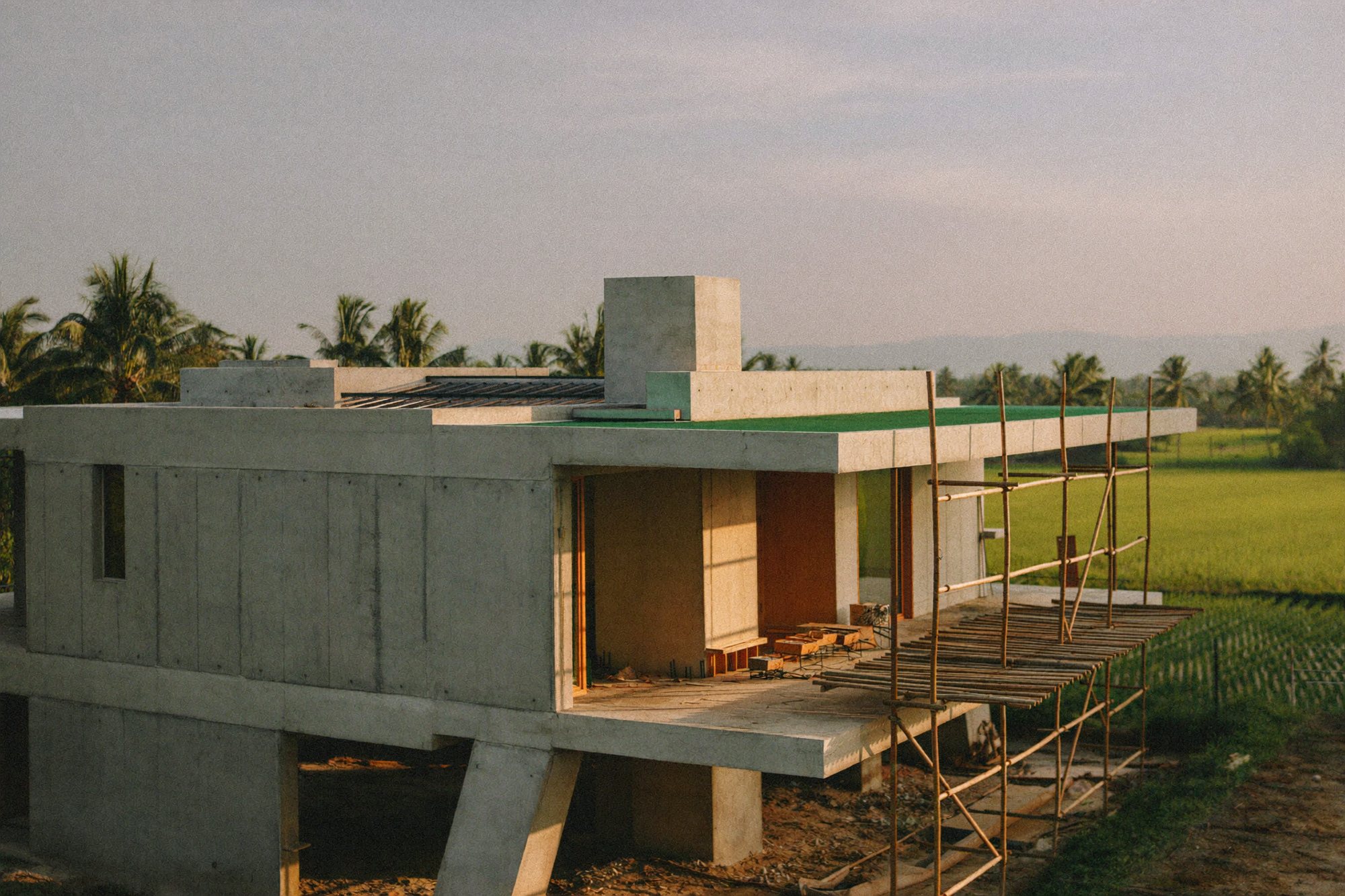
Bali is applying its zoning, green-belt and setback rules, and its building permits, far more strictly than it did a few years ago. The paperwork that matters is the PBG, the building permit, and the SLF, the certificate that a finished building is fit to occupy. Before buying, check the plot's zoning and that the project holds real permits; a professional developer will have them and will not be offended by the question. Where a zone or a setback restricts building, no amount of enthusiasm changes it, so the diligence belongs before the deposit, not after.
What it all means for a buyer
The through-line of 2026 is simple: the rules reward the honest buyer and punish the shortcut. Buy on the correct structure, on land with clean zoning and real permits, with independent Indonesian legal advice, and Bali is as open to you as it was. Reach for the too-easy deal, the nominee title, the unlicensed nightly income, and the same tightening that protects careful buyers is the thing that bites. The market is not harder to enter; it is harder to fake your way into, which is a good thing for anyone building something real.
How Core Villas is built for it
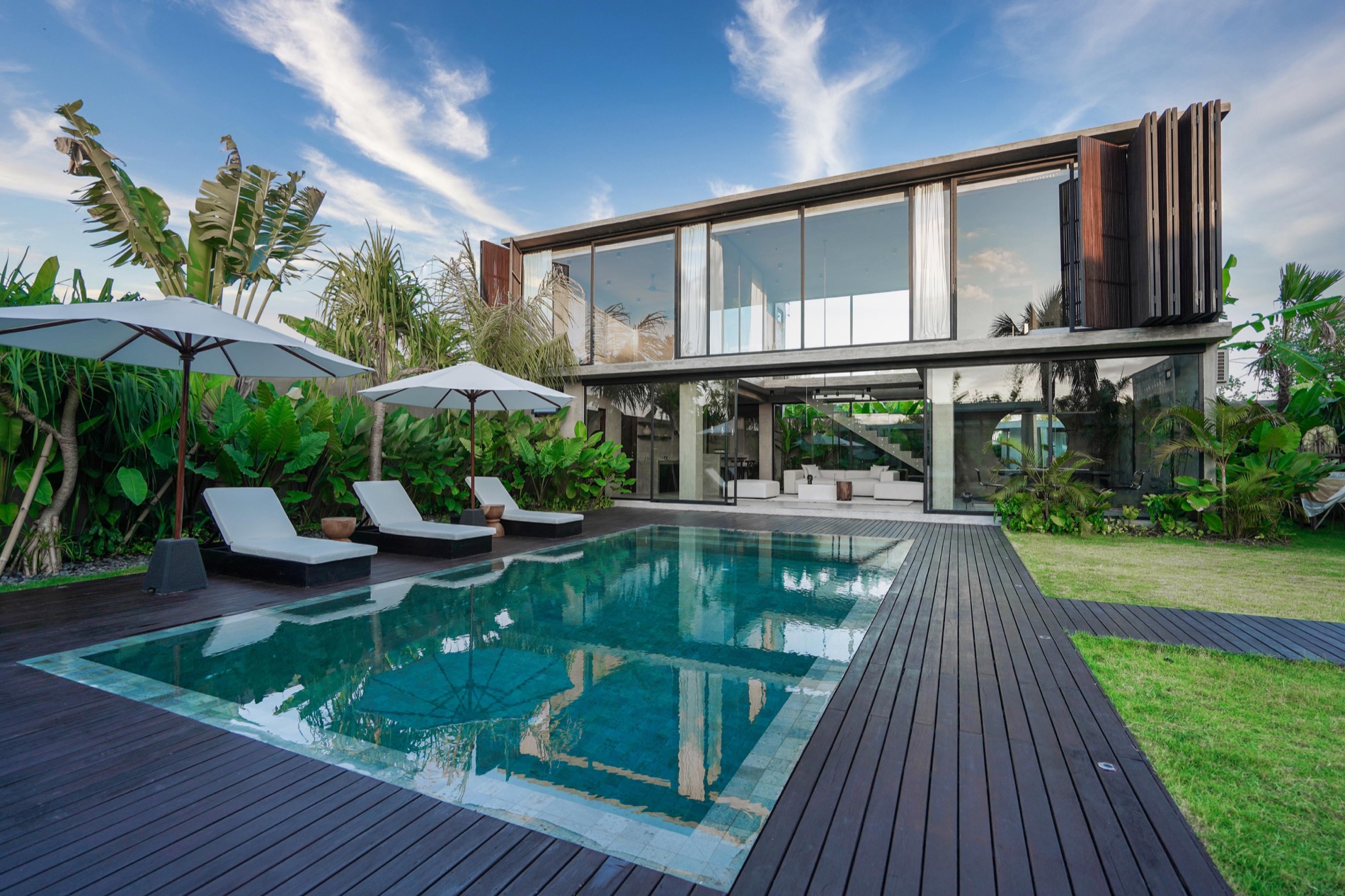
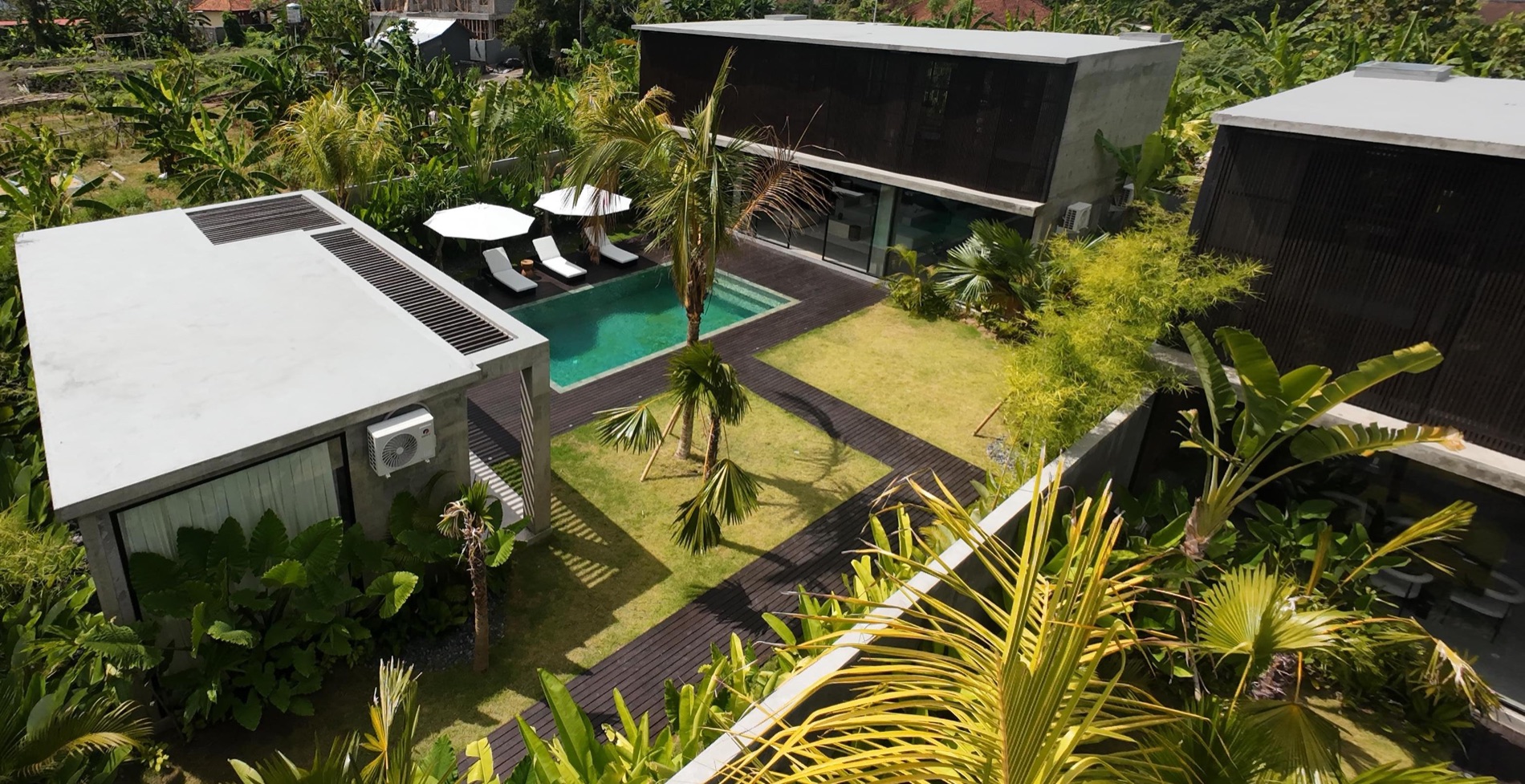
Core Villas is built on the compliant side of all of this: proper leasehold structure, real permits, and a long-stay residential model rather than nightly churn, at Seseh, Munggu. We would rather a buyer arrive with their own lawyer and their own questions, because the diligence that the 2026 rules demand is exactly the diligence a serious project welcomes. This guide is general information, not legal advice; for your own purchase, take current, licensed Indonesian counsel.